Astrophotography guides for beginners
Plain-language walkthroughs of capture, stacking, and processing, written for anyone whose telescope photos still come out looking like black noise.
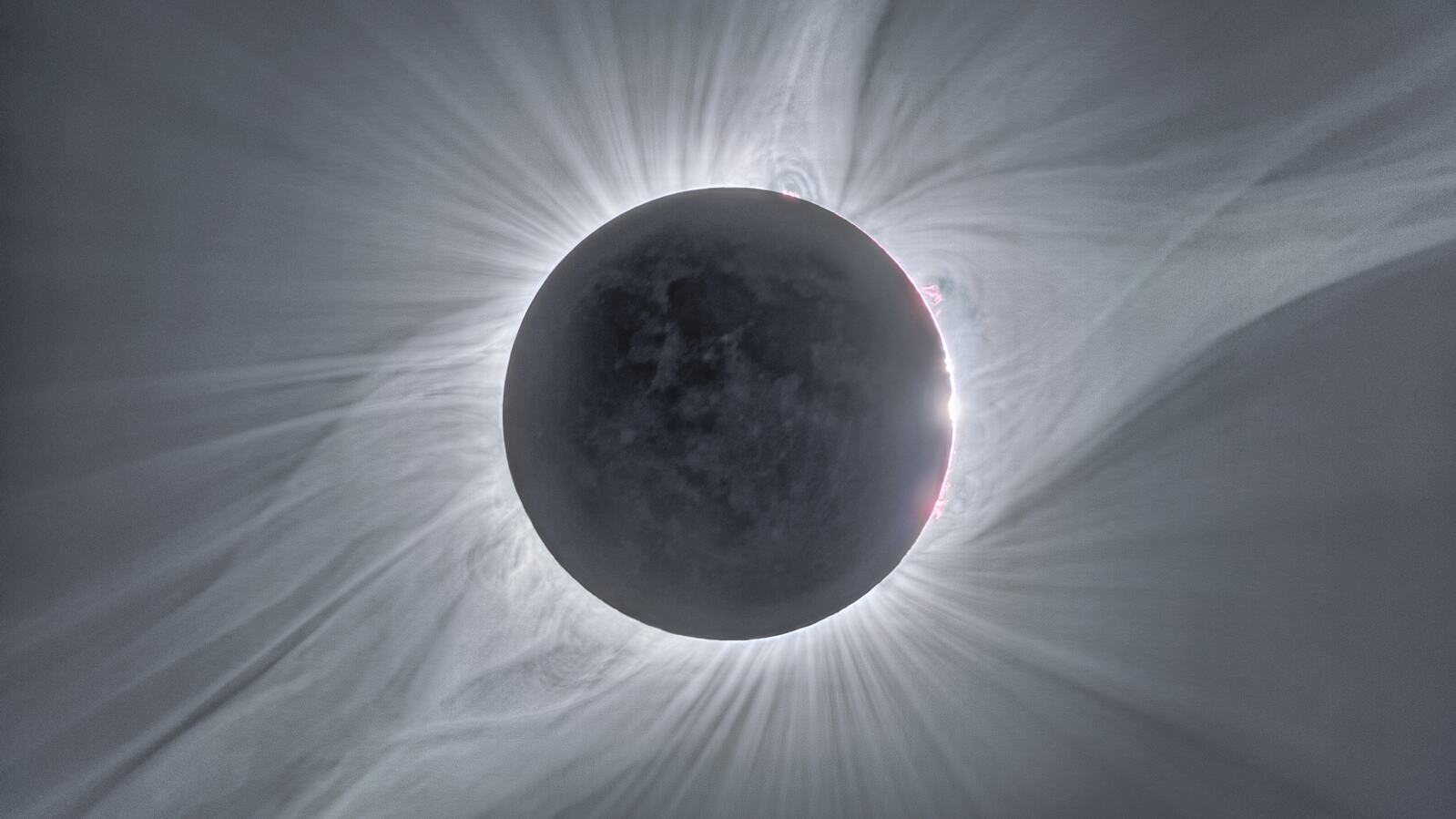
What Is a Total Solar Eclipse?
A plain-language explainer of totality, path of totality vs partial zones, umbra/penumbra, and why 12 August 2026 crossed Greenland, Iceland and northern Spain.
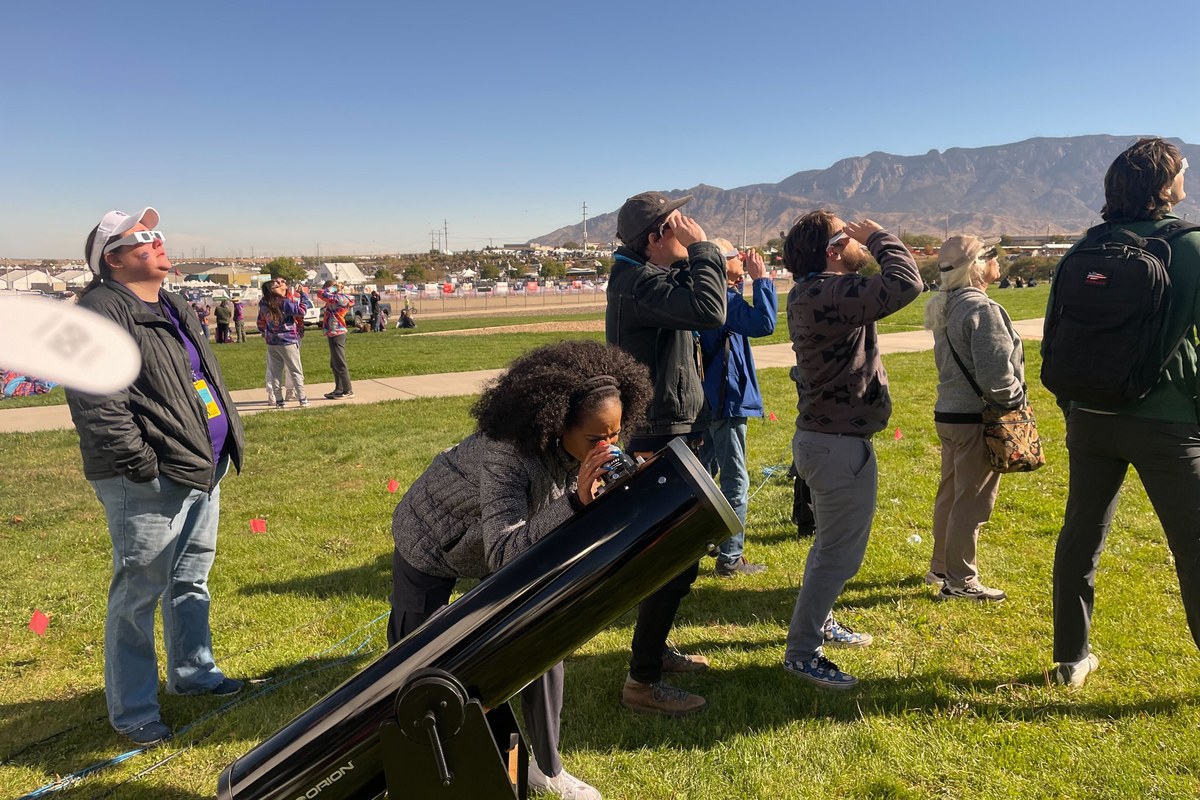
How to Watch a Solar Eclipse Safely
ISO 12312-2 certified glasses, pinhole projection, when it's safe to look up unfiltered, and the camera/binocular filter warnings beginners miss.
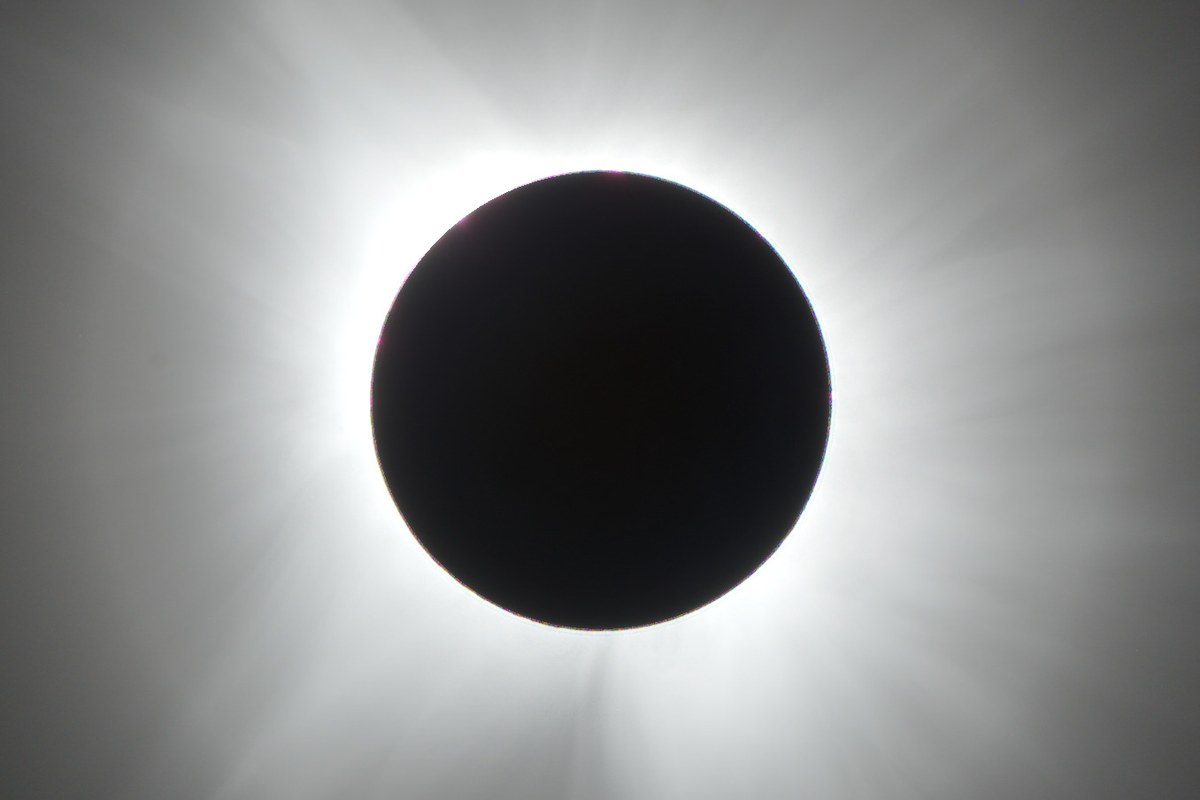
How to Photograph a Solar Eclipse With an iPhone
Solar filters, exposure locking, burst mode at totality, and the honest limit of a phone camera.
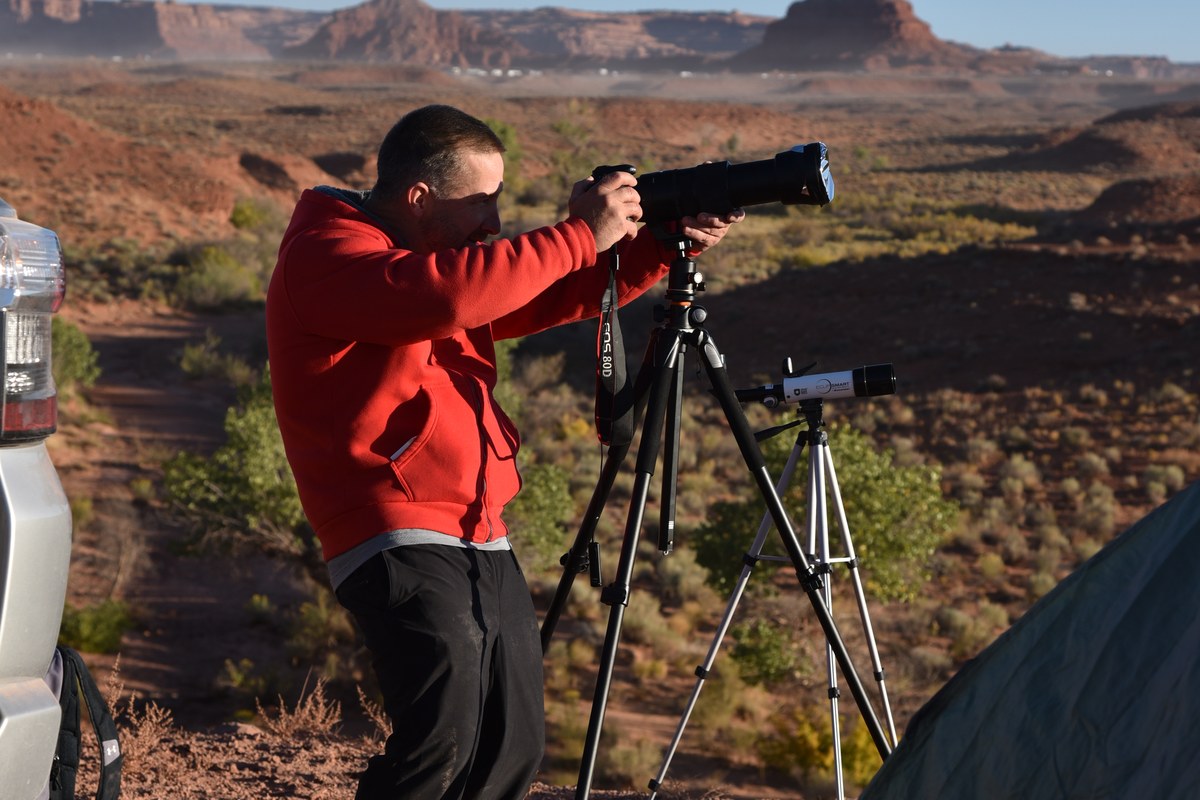
What Gear You Need to Photograph a Solar Eclipse
Solar filter, camera, focal length, tripod, plus the one thing most beginners get wrong: totality needs a wide exposure bracket instead of a single setting.
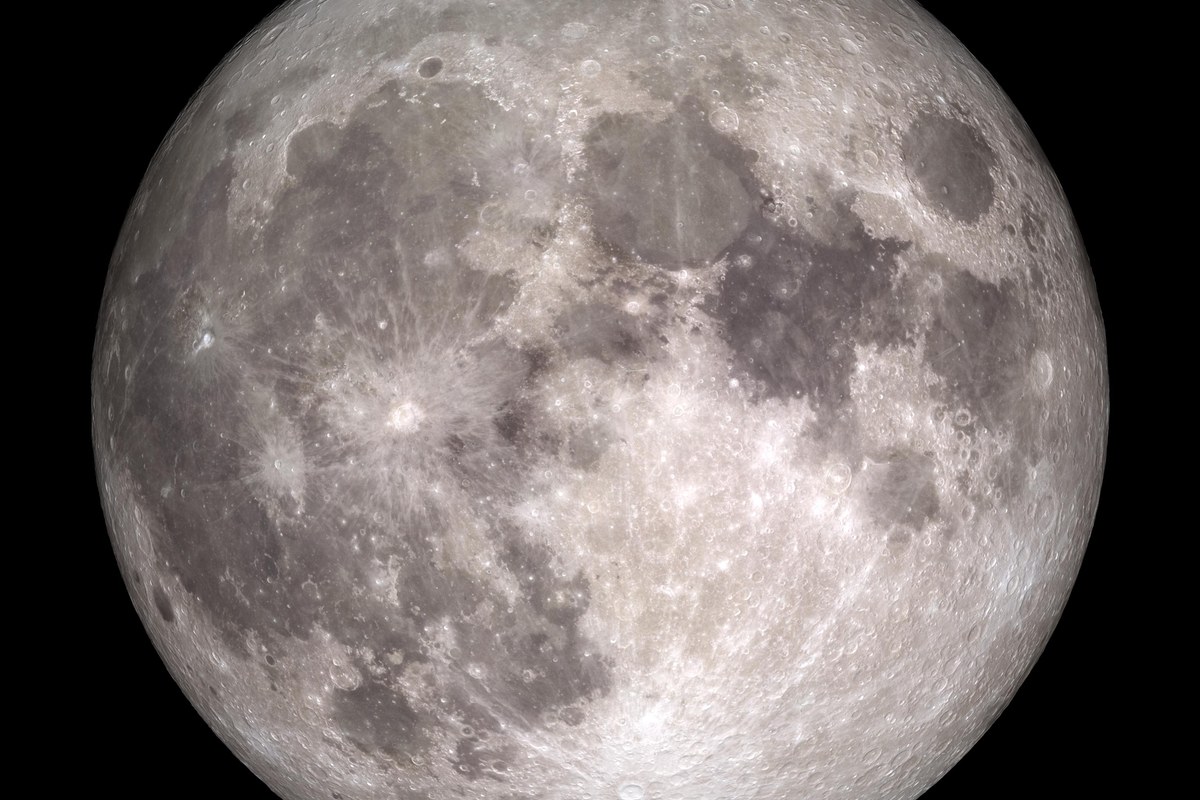
How to Photograph the Moon With Your Phone
Why the moon turns into a featureless white dot on a phone camera, and the fixes: exposure drag, telephoto over zoom, a brace, burst mode, and an honest limit.
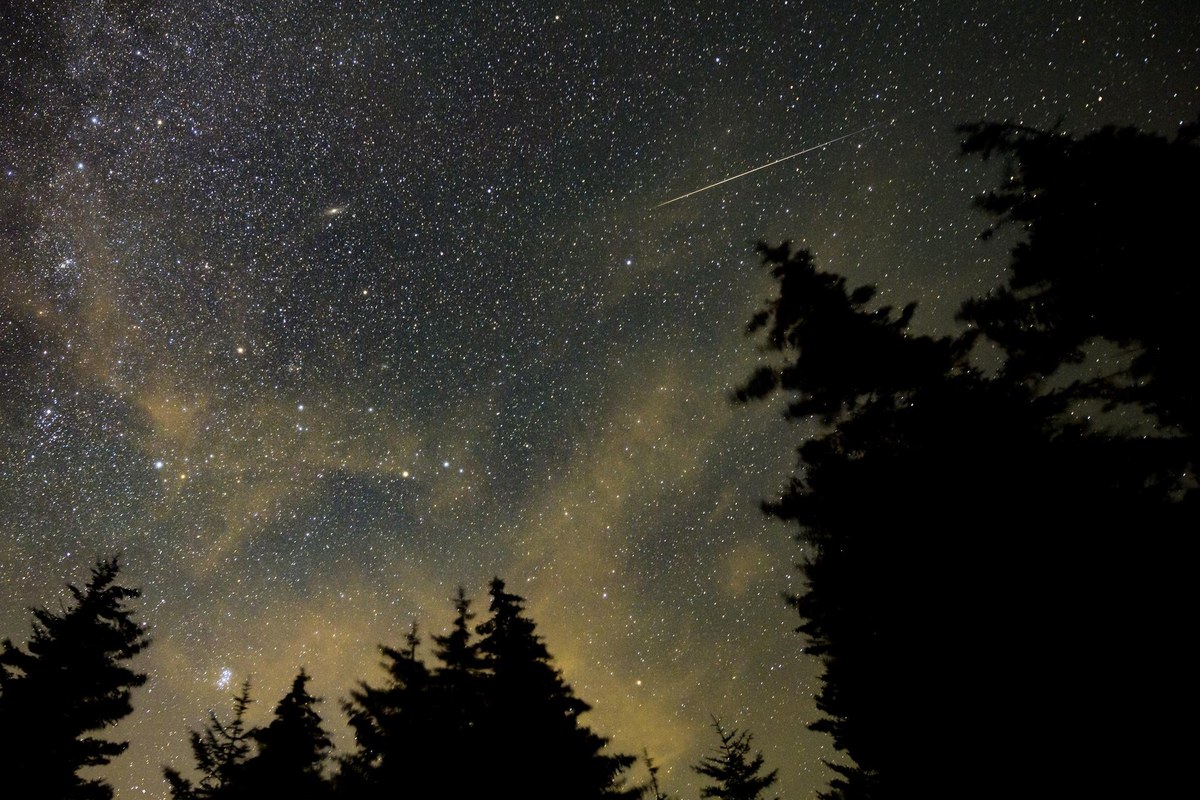
How to Photograph the Perseids Meteor Shower
Dark skies, dark-adapted eyes, and dozens of frames instead of one: how to actually get a meteor in a photo, phone or camera, plus the 2026 peak nights.
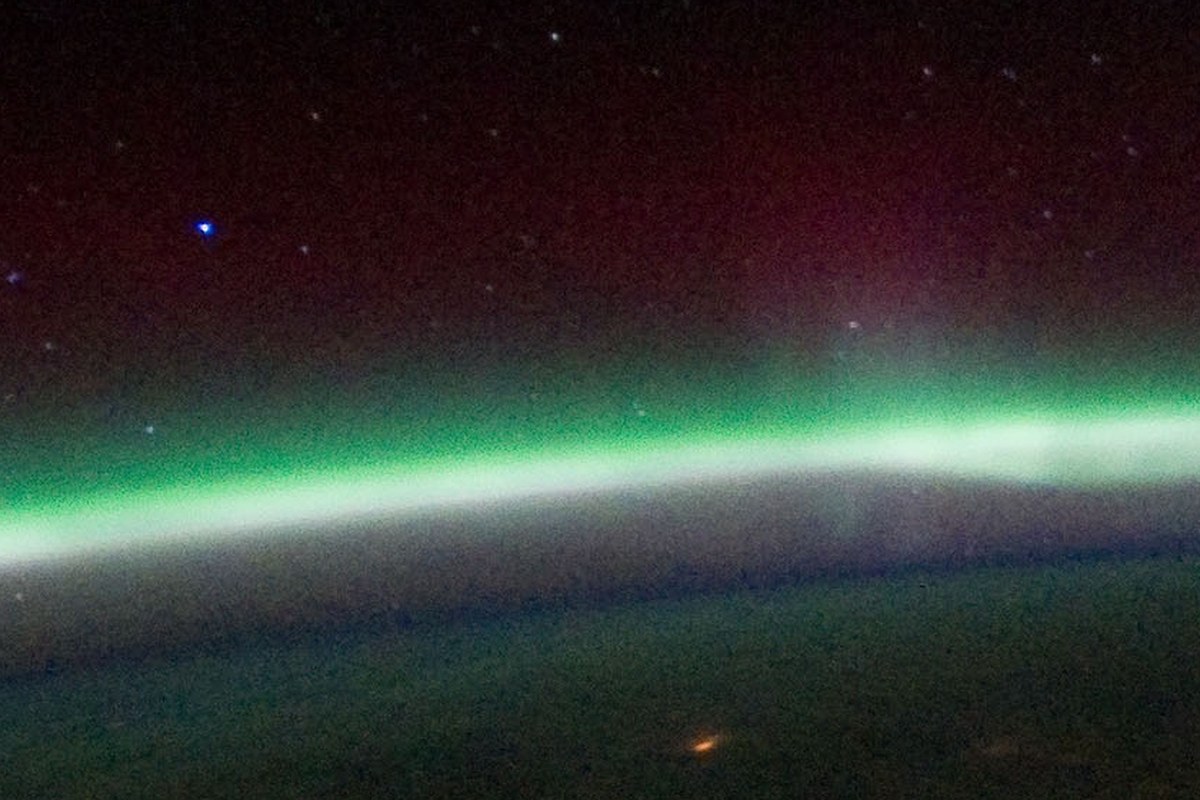
How to Photograph the Aurora With Your Phone
Why the aurora looks grey to your eyes but green in photos, the settings that catch it, and how to check tonight's Kp forecast before you go out.
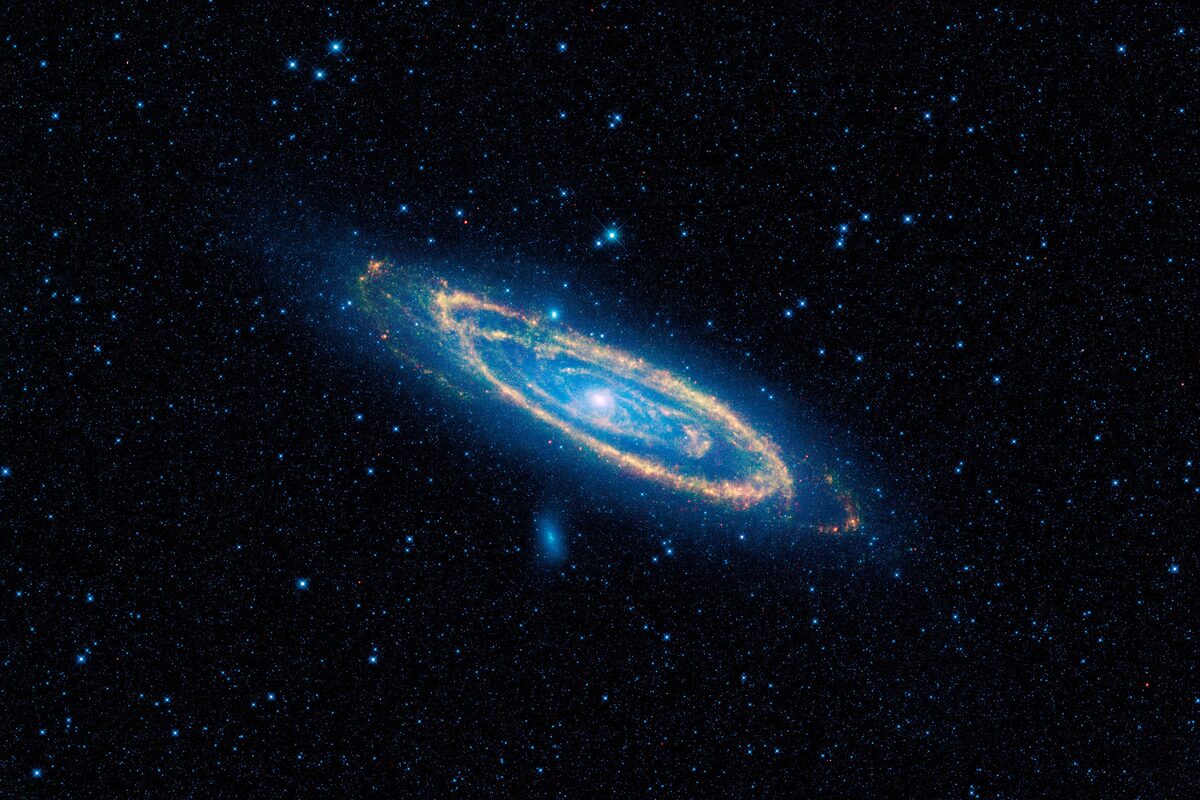
How to Photograph the Andromeda Galaxy
Why the Andromeda Galaxy comes out as a grey smudge on a first try, and what actually fixes it: manual focus on a star, the 500 rule, stacking frames, and mosaic mode on smart telescopes.
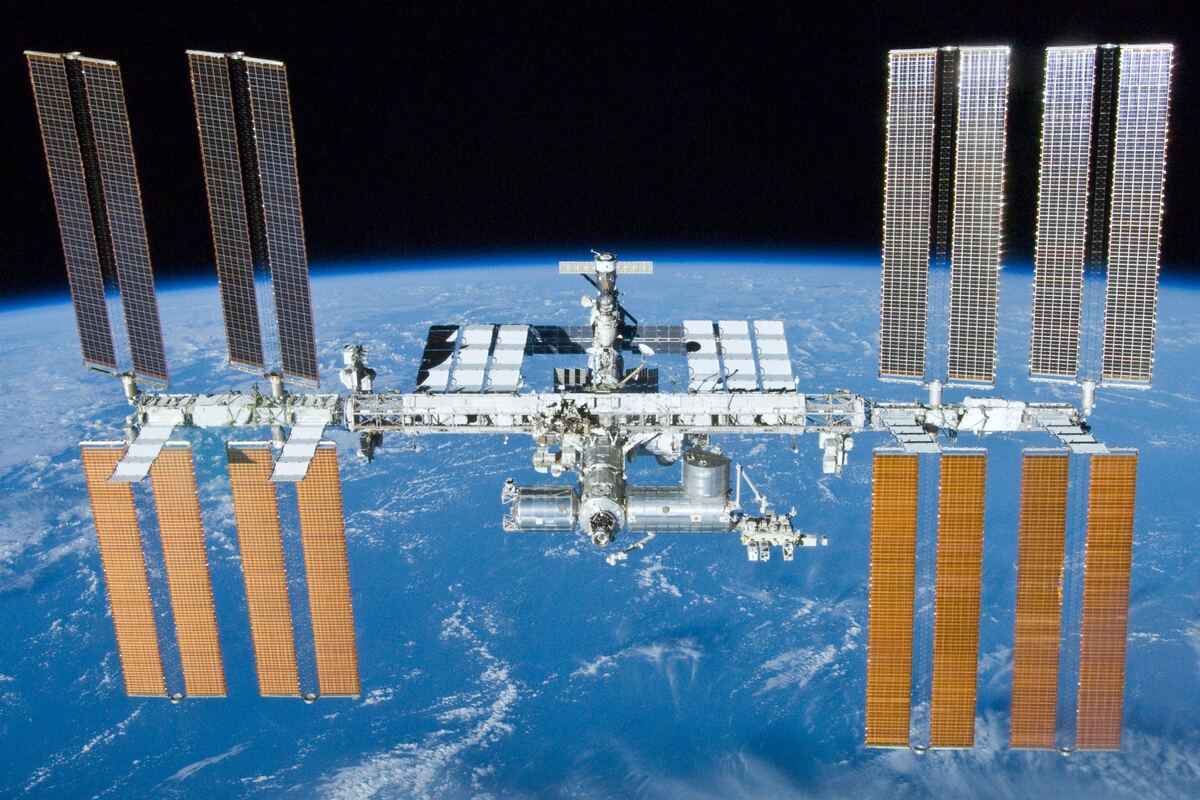
How to Photograph Satellites and the ISS
Why a phone only gets a faint streak, how to actually catch an ISS pass, why Starlink trains vanish within days, and why stacking removes moving satellite trails but not geostationary ones.
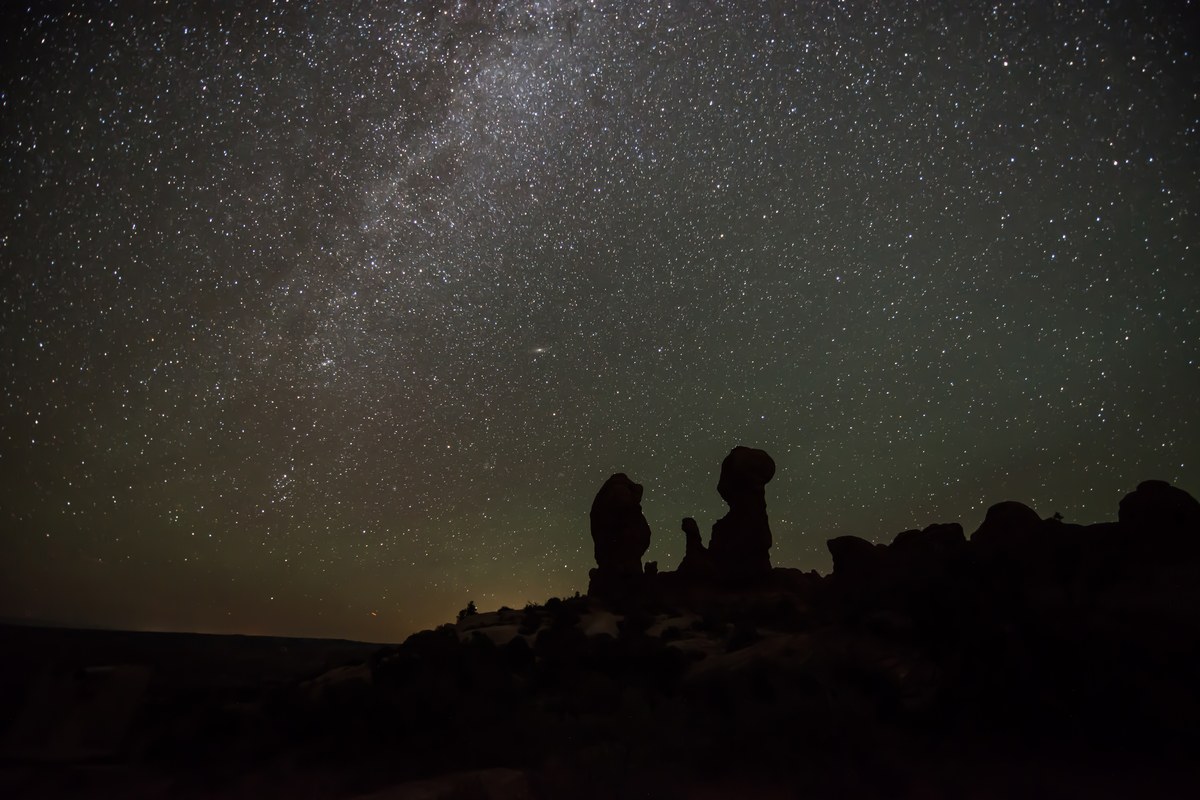
Your first astrophotography session checklist
A practical checklist for capture night: focus, exposure length, how many frames to shoot, and which calibration frames actually matter for a beginner.
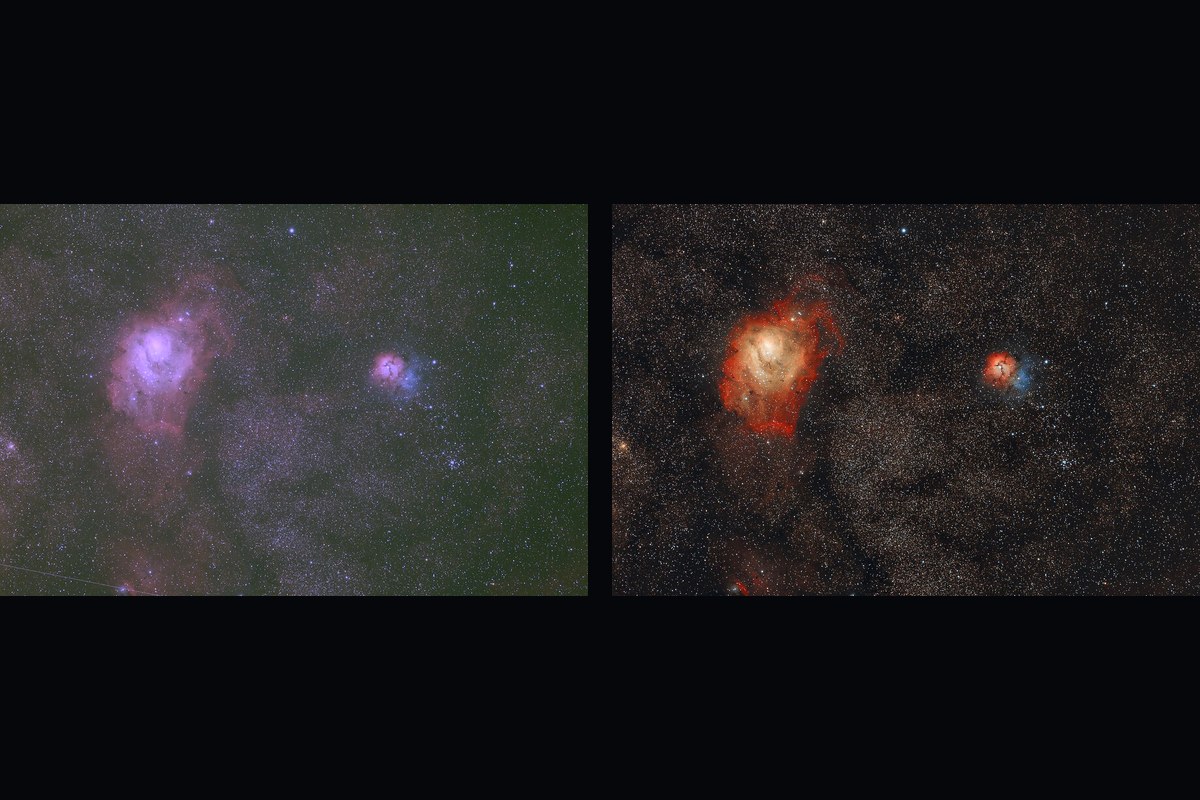
How to stack astrophotography frames
What stacking actually is, the calibrate → register → stack → stretch workflow, and how the common tools compare.
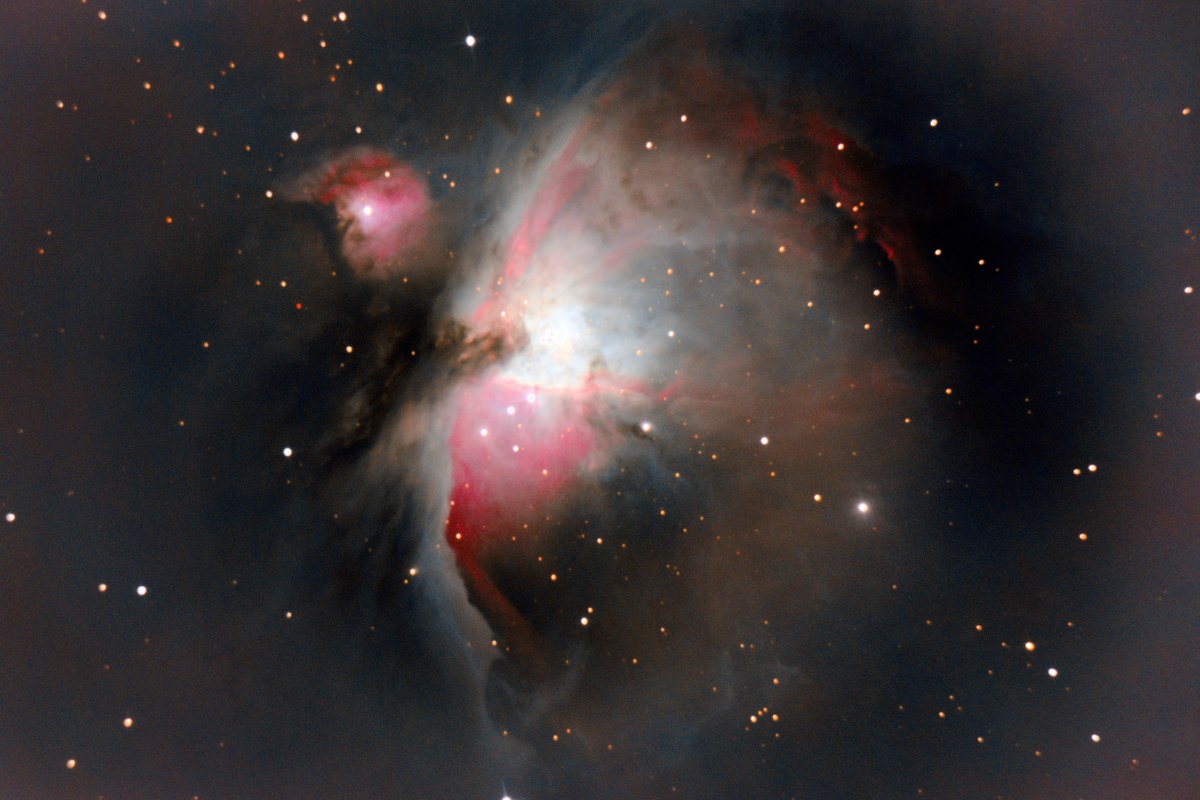
DeepSkyStacker vs Siril
An honest, no-hype head-to-head between the two most common free stacking tools beginners run into.
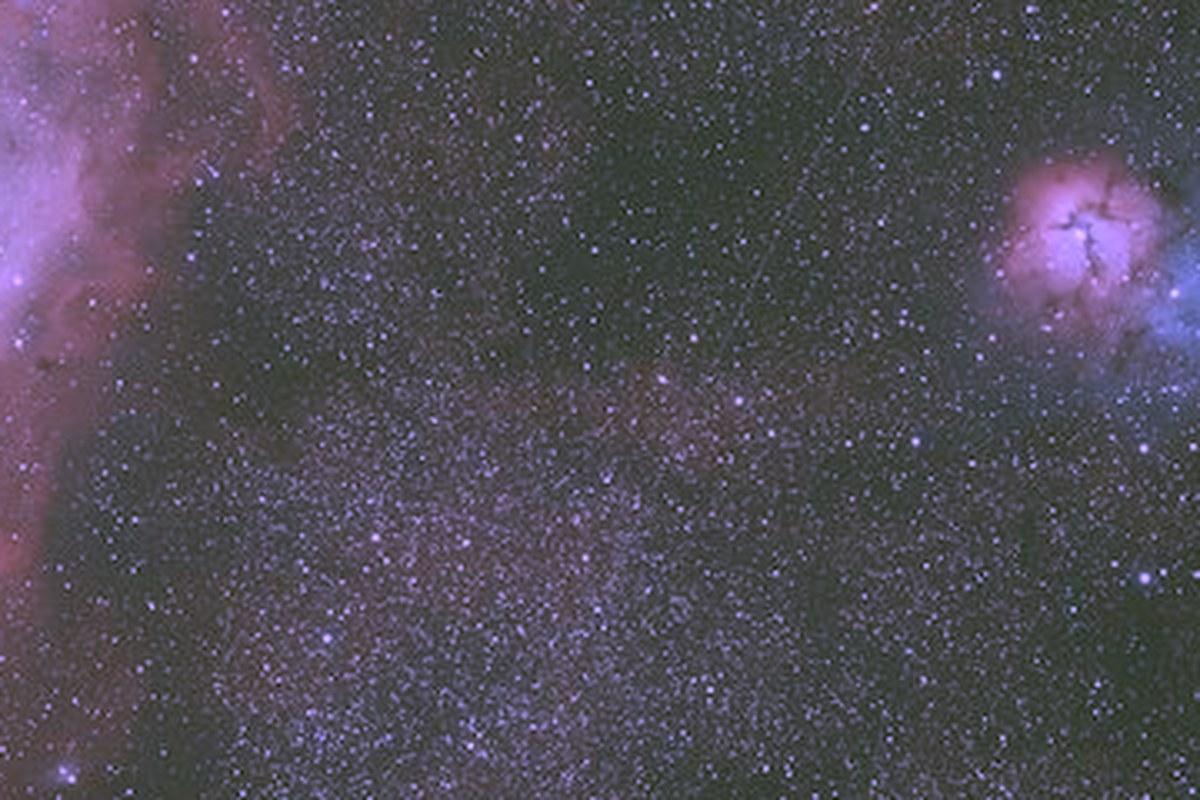
Why do my astro photos look like noise?
The black-frame problem explained: why a single raw exposure looks like static, and what actually needs to happen to reveal what you captured.
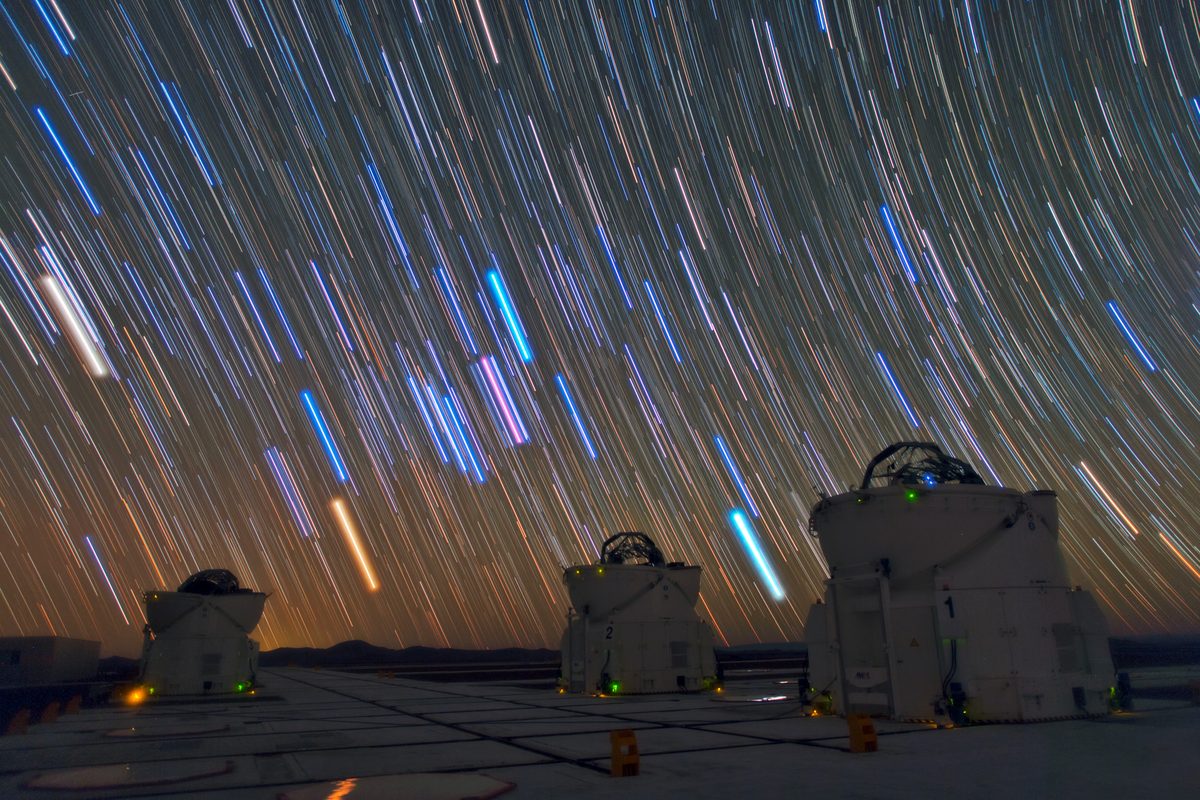
Why Are My Stars Lines Instead of Points?
Elongated or trailing stars usually mean the camera moved relative to the sky, not a focus mistake. How to read the trail's direction and shape to tell polar alignment error, field rotation, and vibration apart.
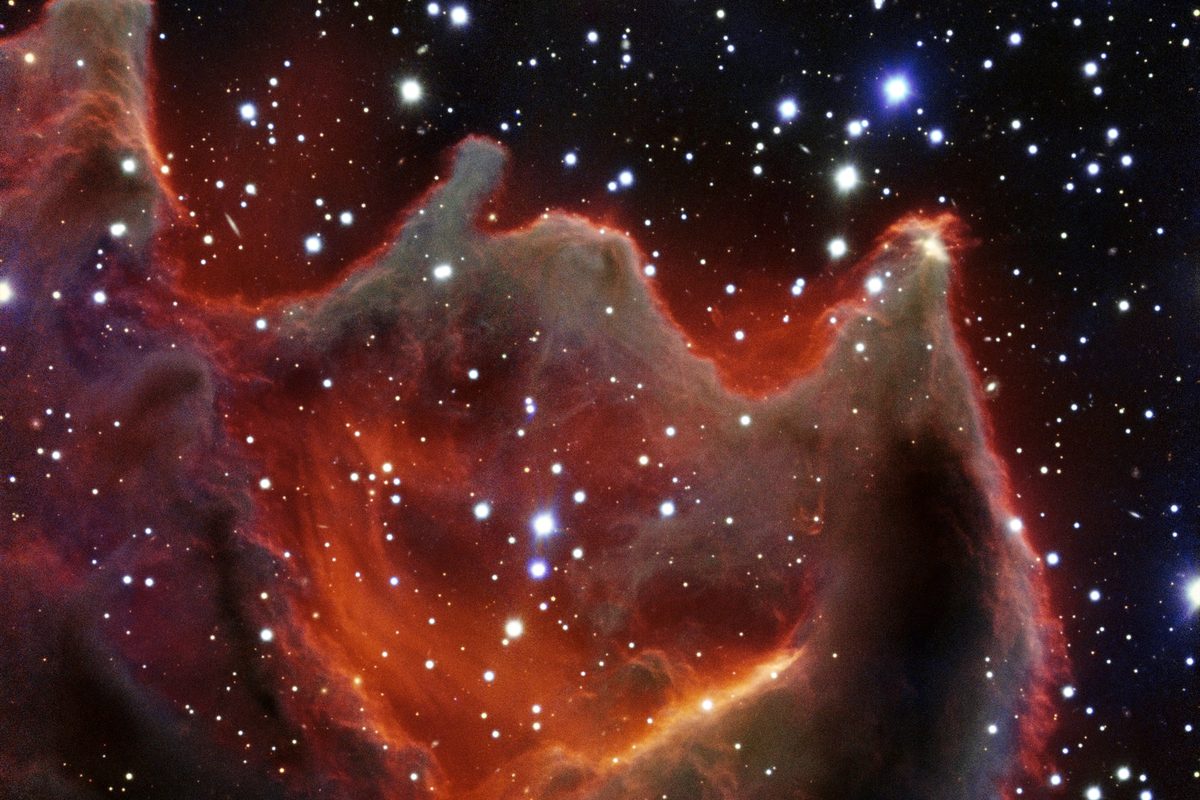
Why Can't I See the Nebula in My Photo?
Clean stars with no nebula is one of the most common results in astrophotography. The real causes, in order of likelihood: not enough stretch, not enough exposure time, light pollution, or a framing miss.
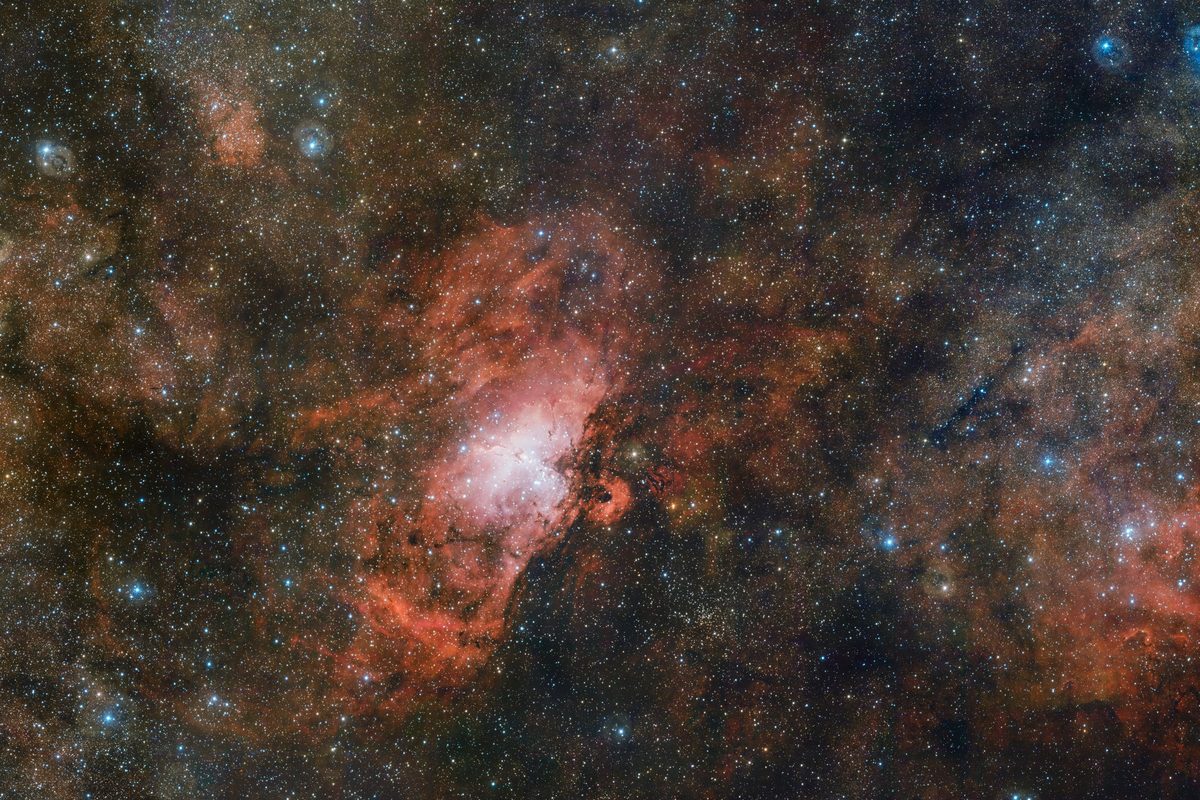
Why Does My Stacked Image Look Worse Than a Single Frame?
A stack that looks softer, doubled or blotchier than one raw sub means the alignment step went wrong, not that stacking failed. Four real causes, each with its own visual signature.
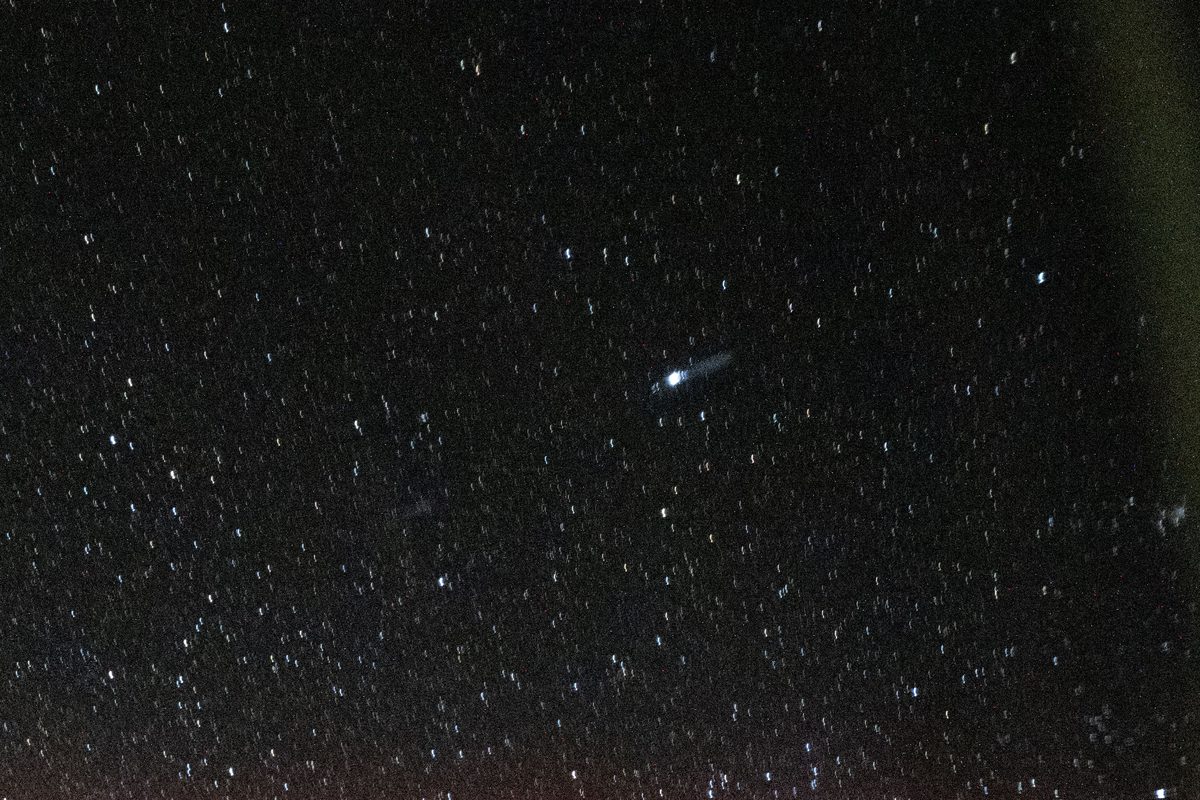
Why Is My Astro Photo Just Black?
A black or near-black frame is usually unstretched data, not a failed shot. One quick stretch test tells you whether it's fine, underexposed, or genuinely empty.
Smart telescope vs DSLR for astrophotography
An honest comparison of what you get, what you give up, and which is the better first step for a beginner.
Or find out what went wrong instead
Not sure why a session came out wrong? Run it through the free diagnosis tool — no DeepSkyStacker, no Siril, no signup.
Get your free diagnosisFree, runs in your browser, no signup.