Before and after, from five real brackets
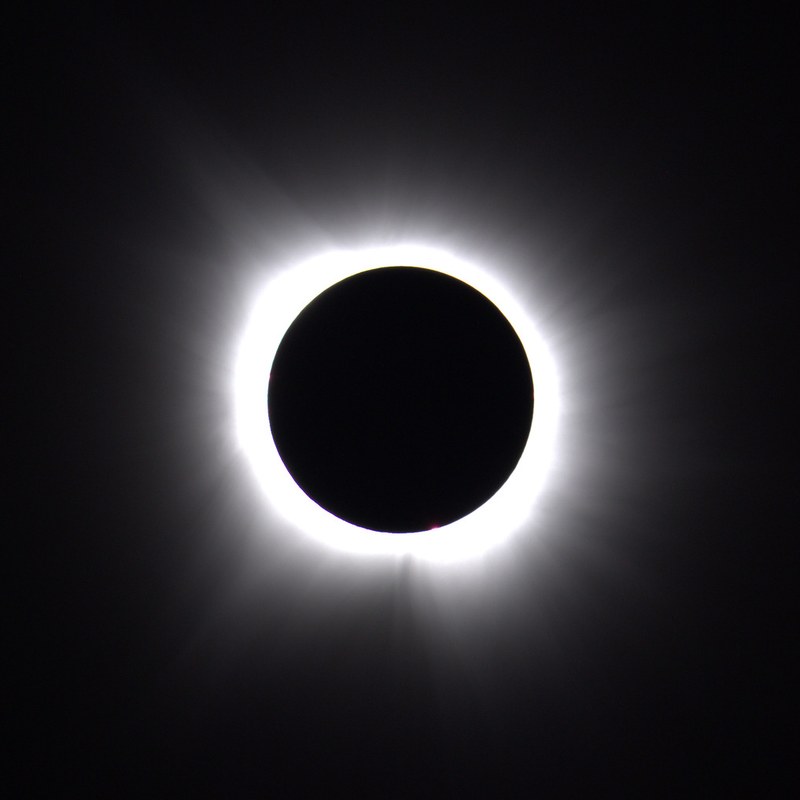
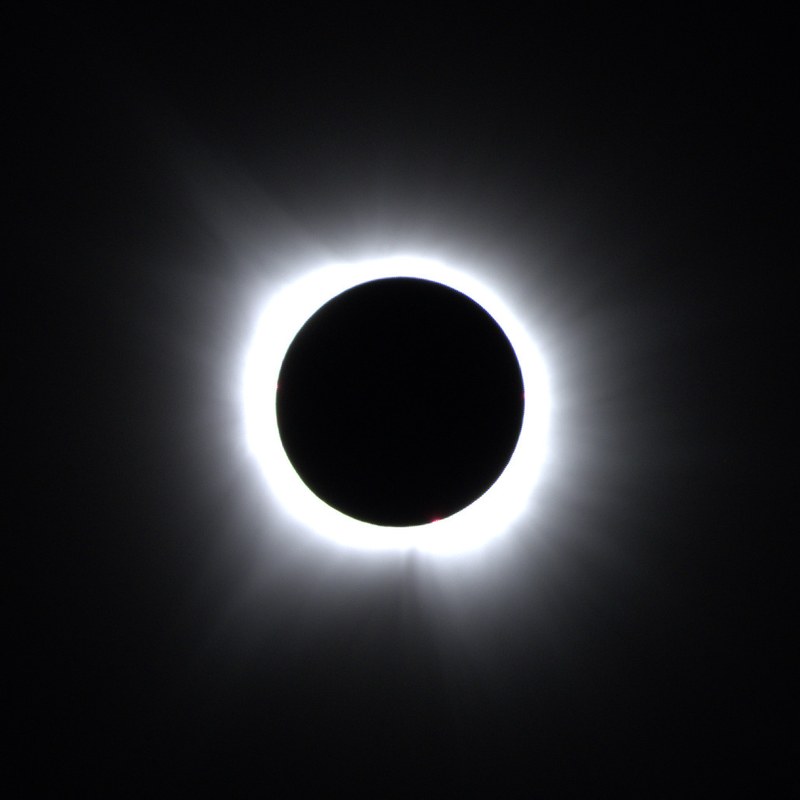
Every pair below comes from the Eclipse Megamovie 2024 public database — real volunteers photographing the 8 April 2024 totality. The left image is a single unmodified frame from the bracket, developed the ordinary way. The right image is the merged composite of that same bracket: same photographer, same lens, same tripod, same minute. Nothing is added, borrowed from another eclipse, or painted in.
Canon EOS R5, 500 mm, Arkansas
One exposure
Bracket fused
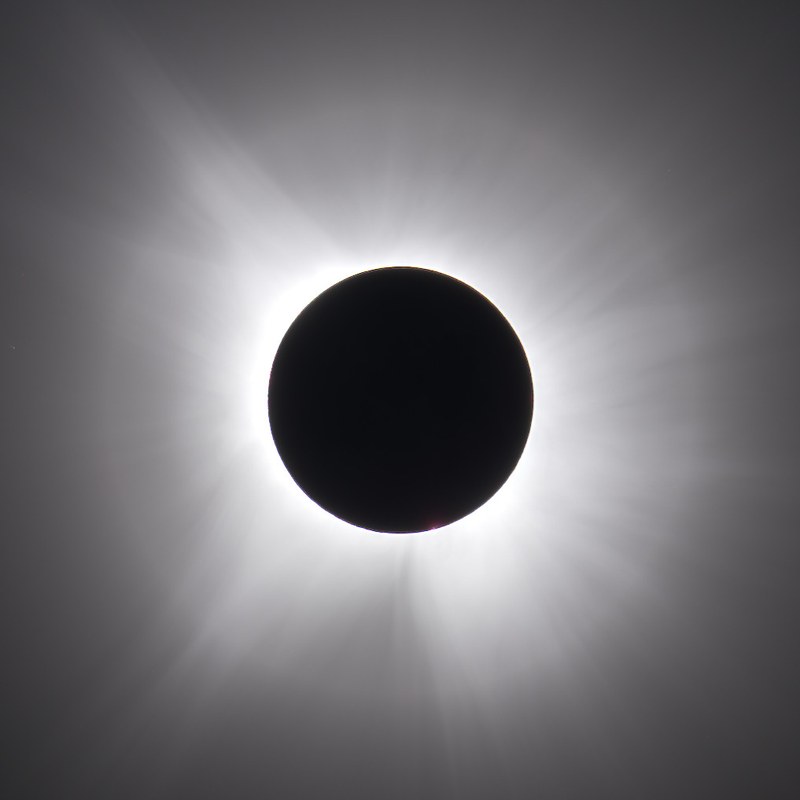
Left: one frame as it came out of the camera. Right: the merged bracket.
Diane D. Miller · Canon EOS R5 · 500 mm · Arkansas · exposures 1/2000 to 2 s · ISO 100 · 6 of 6 frames merged
Fuji X-T4, 305 mm, Durango, Mexico
One exposure
Bracket fused
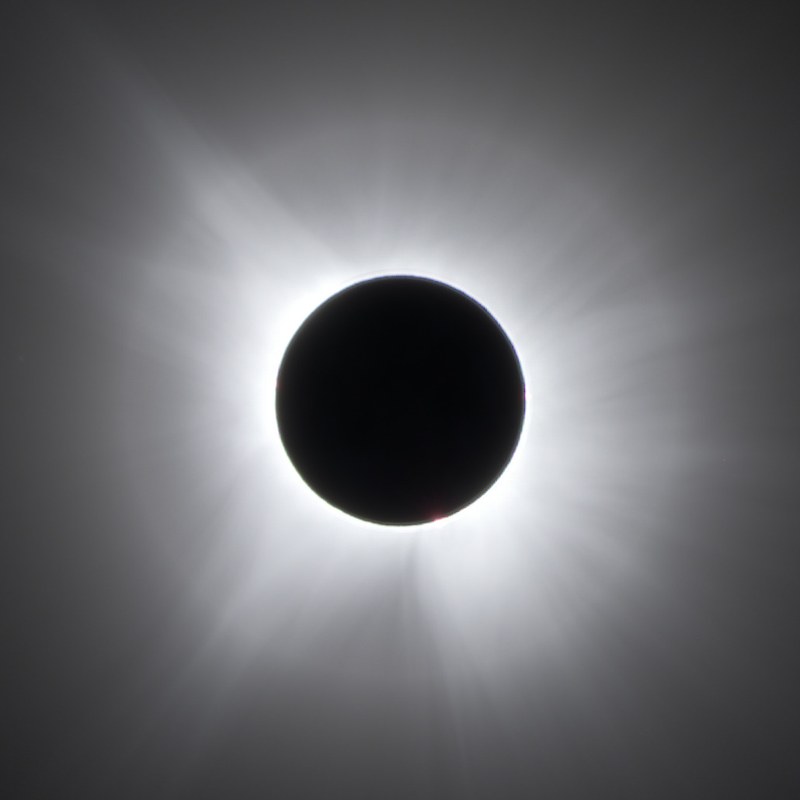
Left: one frame as it came out of the camera. Right: the merged bracket.
Franz Zabroky G. · Fuji X-T4 · 305 mm · Durango, Mexico · exposures 1/400 to 1.5 s · ISO 160 · 6 of 6 frames merged
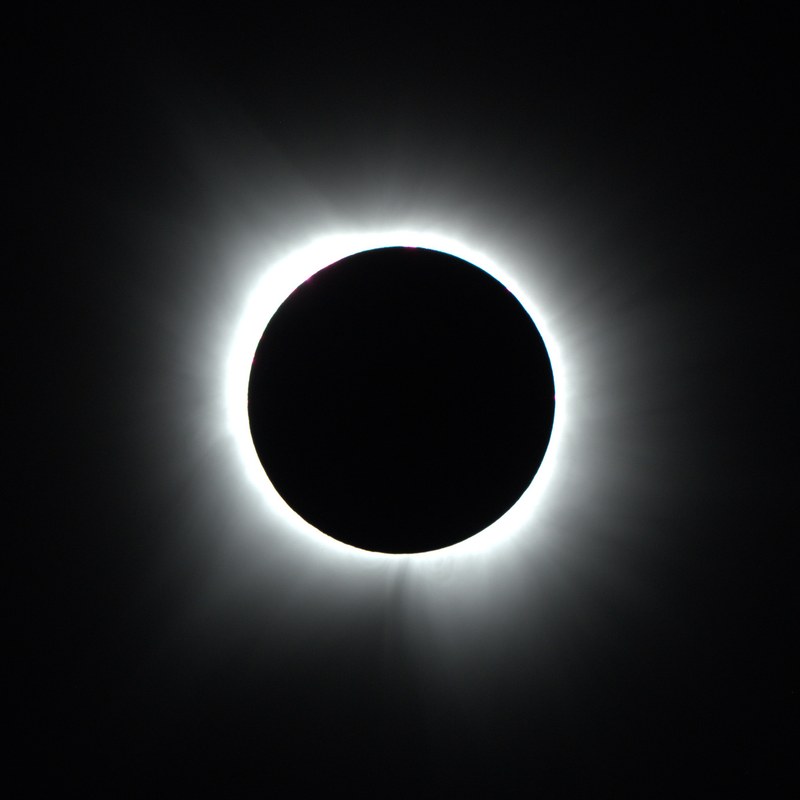
Nikon D780, 750 mm, Texas
One exposure
Bracket fused
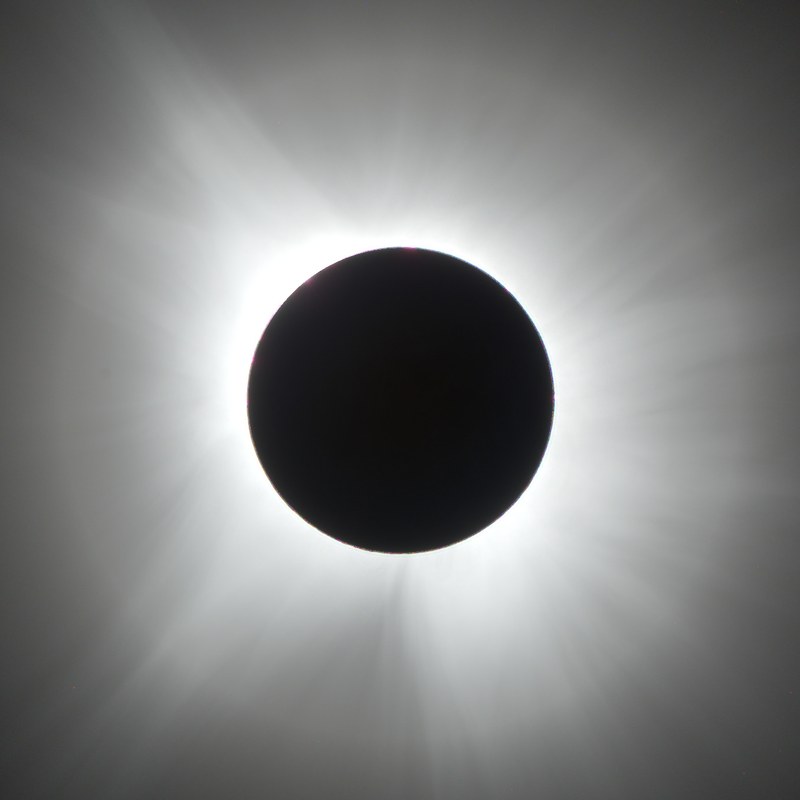
Left: one frame as it came out of the camera. Right: the merged bracket.
Harry Krantz · Nikon D780 · 750 mm · Texas · exposures 1/8000 to 1.6 s · ISO 100 and 400 · 5 of 6 frames merged
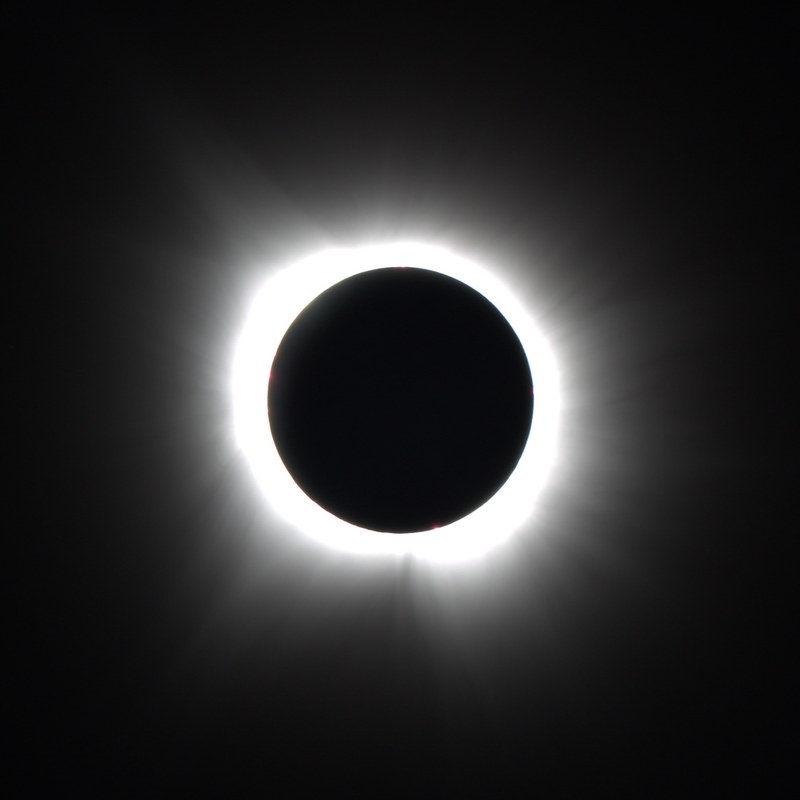
Canon 5D Mark III, 600 mm, Illinois
One exposure
Bracket fused
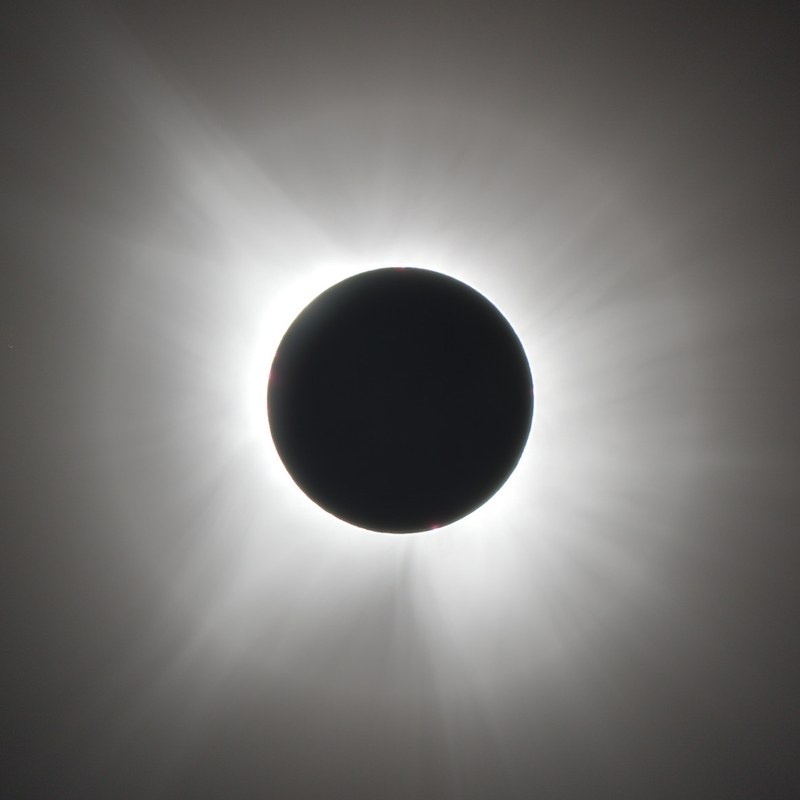
Left: one frame as it came out of the camera. Right: the merged bracket.
Matthew G Borton · Canon 5D Mark III · 600 mm · Illinois · exposures 1/500 to 5 s · ISO 200 · 4 of 6 frames merged
Canon EOS 750D, 200 mm, Arkansas
One exposure
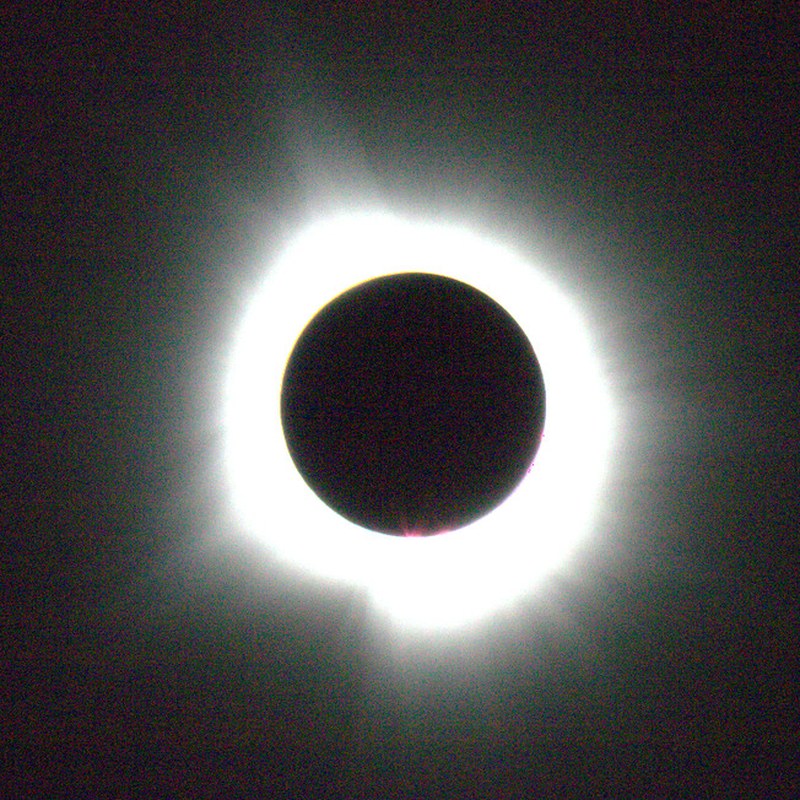
Bracket fused
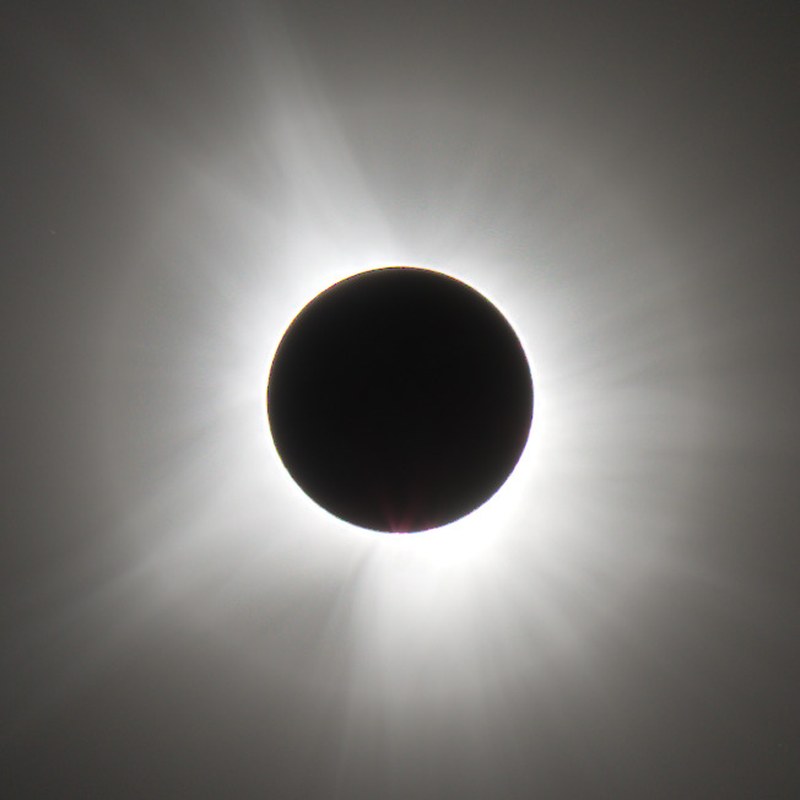
Left: one frame as it came out of the camera. Right: the merged bracket.
Pete Petree · Canon EOS 750D · 200 mm · Arkansas · exposures 1/1000 to 1 s · ISO 100 · 5 of 6 frames merged
Five of sixteen
We ran sixteen real bracket sets through the pipeline. Five produced a result worth showing — the five above. That is a 31 % pass rate, and it would be dishonest to show you the winners without the number.
Every one of the eleven failures traced back to the source frames, not to the processing: the mount drifted during the bracket, some frames were taken outside totality, or thin cloud sat across the corona. Nothing in the pipeline can recover a corona that was never recorded — and no amount of processing invents detail that the sensor did not capture.
Which is the whole argument for shooting properly on the day. A bracket narrower than six stops cannot be helped by any software, ours included. If you read one thing about totality, read the gear and bracket guide — it was the difference between being one of the five and one of the eleven.
Where these came from
All source data is from the Eclipse Megamovie 2024 database — 52,469 photographs from 143 volunteer observations of the 8 April 2024 total solar eclipse, released as CC0. No attribution is legally required. Every photographer is credited above anyway, because they did the hard part.
Send us your eclipse brackets