A long exposure camera app for the moon, the aurora and the Perseids, on the phone you already own.
Pick what you're shooting, point your phone at it, and press one button. The app sets the exposure, focus and everything else it needs to, and tells you what to do while it works.
Join the waitlistComing to iOS.
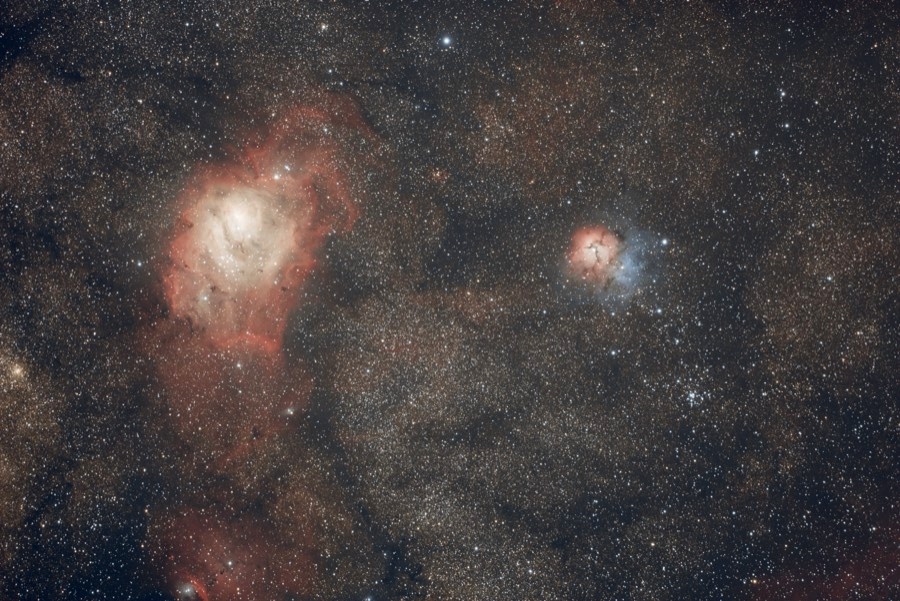
Processed by hand
Came from a Short? Send me your raw file — the first one is free.
Already have frames from a Seestar, a DSLR or an astro camera? Send them exactly as they came off the camera and one clean, colour-calibrated image comes back within 24 hours, ready to share. First session free, €29 a session after that.
Send your telescope filesNo account, nothing to install — one email to [email protected].
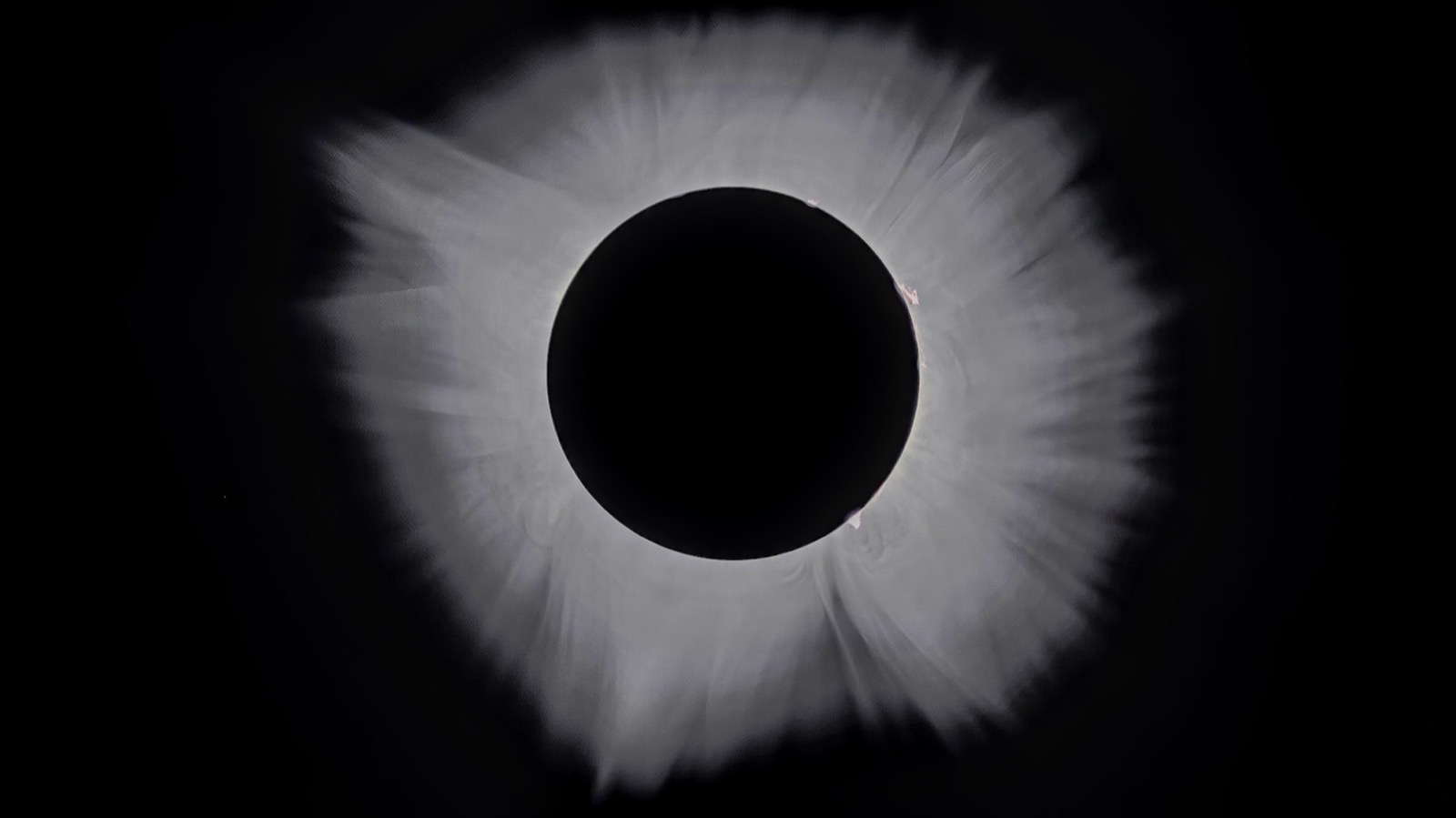
Real corona output — our pipeline
The last eclipse was visible on 12 August 2026, over mainland Europe.
Totality lasted about two minutes, once — there was no second attempt. If you came home with a folder of bracketed exposures and no obvious way to turn them into the corona you actually saw, send them to me: free watermarked preview of your own image, and you only pay if you like it.
One shot, no retakes
Totality on 12 August 2026 ran to about 2 minutes 18 seconds at best — the first mainland-Europe totality since 1999.
See it before you pay
A watermarked preview of your own processed corona comes back first. Full-resolution files unlock only if you like it.
First 10 in 48 hours
The first 10 brackets that arrived were processed within 48 hours of upload. After that the queue got longer.
Not shooting yet? Free guides: iPhone eclipse photography & watching it safely.
We have always looked up.
A full moon, a green sky over your own roof, a meteor streaking past in August — you were there for it, and the phone in your pocket came back with a smear of noise. That's a settings problem, not a talent problem. The app in your hand already has everything a shot like that needs.
How it works
Pick what you're shooting
Moon, aurora, Perseids and other meteor showers, ISS and satellite passes, or the Milky Way.
Point your phone
No separate camera app, no manual mode to fight with, no research beforehand.
Press one button
The app sets the exposure and everything else it needs to, and tells you what to do while it works.
What it's for, and what it isn't
Moon, aurora, meteors, satellites, Milky Way
The subjects you can point a phone at and get a real result — handheld or on a simple tripod.
Nebulae and galaxies
Those need a telescope or a tracking mount to gather enough light — a phone sensor can't do it, and the app won't pretend otherwise.
Join the waitlist
Coming to iOS. Leave your email and I'll let you know the moment it's ready — nothing else.
You're on the list.
I'll email you the moment the app is ready. Questions before then go to [email protected].